
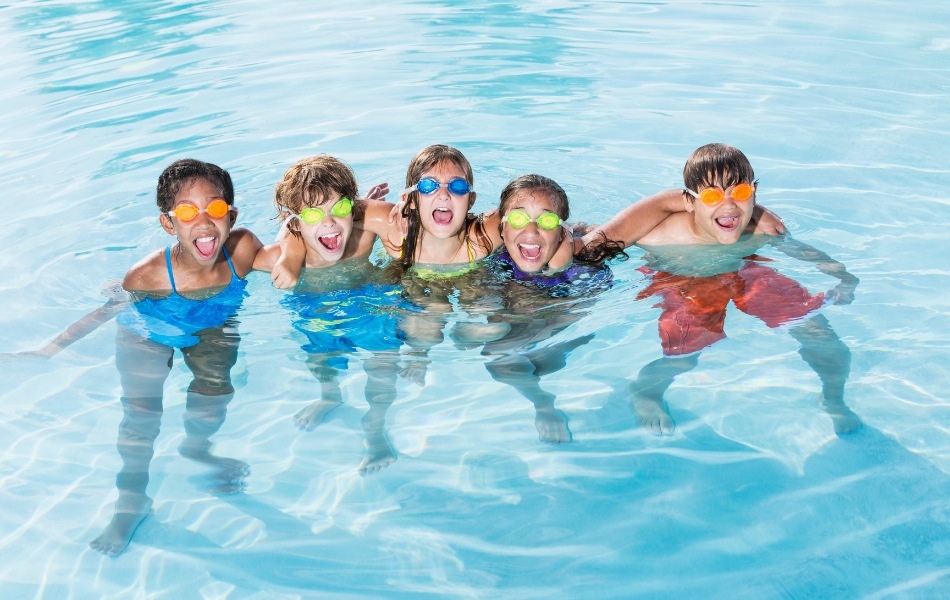
Swimming is more than just a fun summertime activity—it’s a critical life skill that every child should learn. In a world filled with pools, lakes, beaches, and water parks, knowing how to swim can literally save a life. According to the World Health Organization, drowning is one of the leading causes of unintentional injury deaths worldwide, and many of these tragedies involve young children. By teaching children how to swim from an early age, parents can equip them with the skills, confidence, and awareness they need to stay safe around water for a lifetime.
A Matter of Safety
The most compelling reason for teaching children to swim is safety. Drowning can happen quickly and quietly, often when a parent or caregiver turns away for just a few moments. In fact, the Centers for Disease Control and Prevention (CDC) reports that drowning is the leading cause of death for children ages 1 to 4 in the United States, excluding birth defects.
Swimming lessons can reduce the risk of drowning by up to 88% for children ages 1 to 4 who take formal lessons. Learning to swim empowers children with the ability to tread water, float, and reach safety if they accidentally fall into a body of water. It also helps them stay calm and think clearly under stress—crucial factors in emergency situations.
Building Confidence and Independence
Swimming lessons do more than teach kids how to float and paddle. They also build confidence, resilience, and independence. For many children, learning to swim is their first major skill learned outside the home, often without a parent by their side in the water. As they master each stroke or skill—floating on their back, jumping in, swimming to the wall—they develop a sense of achievement and self-assurance that carries over into other areas of life.
Moreover, swimming is a skill that grows with your child. From shallow play to deeper waters, kids gradually learn to navigate more challenging environments, helping them develop decision-making skills and body awareness that contribute to long-term confidence.
Physical Fitness That’s Fun
Swimming is one of the most comprehensive physical activities a child can participate in. It engages the entire body—strengthening muscles, improving cardiovascular health, and enhancing coordination and balance. It’s also a low-impact activity, which means it’s gentle on growing joints and bones while still providing excellent exercise.
Swimming helps develop:
Stamina and endurance
Core strength
Lung capacity
Posture and flexibility
For children who may not be drawn to team sports, swimming offers a fun and inclusive alternative that can be practiced individually or socially. Because it doesn’t require competitive pressure, many kids find swimming more enjoyable and less intimidating than other sports.
A Lifelong Skill
Unlike some physical activities that fade with age, swimming is a lifelong skill. Whether you’re five or eighty-five, swimming can be part of your routine for fitness, recreation, or even therapy. Once learned, it becomes a permanent part of your skillset, ready to serve you in a variety of situations—from vacationing at the beach to participating in water-based sports like kayaking, surfing, or scuba diving.
Swimming also opens up doors to future opportunities. For older children and teens, it can lead to summer jobs as a lifeguard or swim instructor, or be a gateway into competitive swimming and scholarships.
Promotes Social Skills and Teamwork
Swimming lessons often happen in group settings, which helps kids improve their social skills and learn how to follow instructions, take turns, and work with others. These group dynamics promote communication, empathy, and cooperation.
As children progress, they may become part of swim teams or participate in recreational swim meets. These experiences offer a sense of belonging and teach valuable lessons in sportsmanship, discipline, and goal-setting.
Reduces Water Anxiety Early
Children who are not exposed to water at a young age may develop fear or anxiety around it, which can make it harder to teach them essential swimming skills later on. Starting early helps children build a healthy, respectful relationship with water. They learn to understand the dangers without becoming fearful, and they gain confidence through guided exposure.
Instructors trained in early childhood aquatic education know how to introduce water in a playful, non-threatening way that keeps kids engaged and happy. Many programs include songs, games, and interactive exercises that help even the most cautious kids feel safe and secure.
Teaches Responsibility and Awareness
Swimming isn’t just about learning strokes—it’s also about learning how to be safe and responsible around water. Good swim programs incorporate water safety education into lessons, teaching kids to recognize hazards, respect pool rules, and help others in need.
Children learn:
Not to swim alone
How to enter and exit the pool safely
What to do in case of emergency
The importance of flotation devices when needed
These lessons foster a greater sense of awareness and can help prevent accidents not only for the child but for others in their environment.
When Should Kids Start?
The American Academy of Pediatrics supports starting swimming lessons as early as age 1, especially for families with pools or access to open water. While formal lessons for infants focus mostly on water familiarity and parent-child bonding, more structured instruction typically begins around ages 3 to 5.
No child is ever too old to learn, but the earlier the exposure, the more comfortable and competent they’ll become. Consistency is key—ongoing practice and seasonal refreshers help kids retain what they learn and grow their skills over time.
Choosing the Right Program
Not all swim classes are created equal. When choosing a program, look for certified instructors with experience teaching children at your child’s age level. Check that the facility follows safety protocols and maintains clean, well-supervised pools. Class size matters too—smaller groups often provide more personalized instruction and faster progress.
Programs like those offered by the YMCA, Red Cross, and local swim schools often have proven curriculums and structured progressions that guide children from beginner to advanced levels safely and effectively.
Conclusion
Teaching your child to swim is one of the most important investments you can make in their safety, health, and confidence. It’s a skill that empowers them to enjoy life more fully—at the pool, beach, or lake—and one that stays with them forever. From life-saving ability to physical fitness and emotional growth, swimming is a gift that keeps giving, long after the lessons are done. At Infinity Fitness Club, our certified instructors specialize in kids’ swimming classes that prioritize safety, confidence, and fun—helping your child build a skill that truly lasts a lifetime.
As a parent or caregiver, enrolling your child in swimming lessons could be the most impactful decision you make this year. Don’t wait for summer—start now, and give your child the freedom and safety that comes from knowing how to swim.