
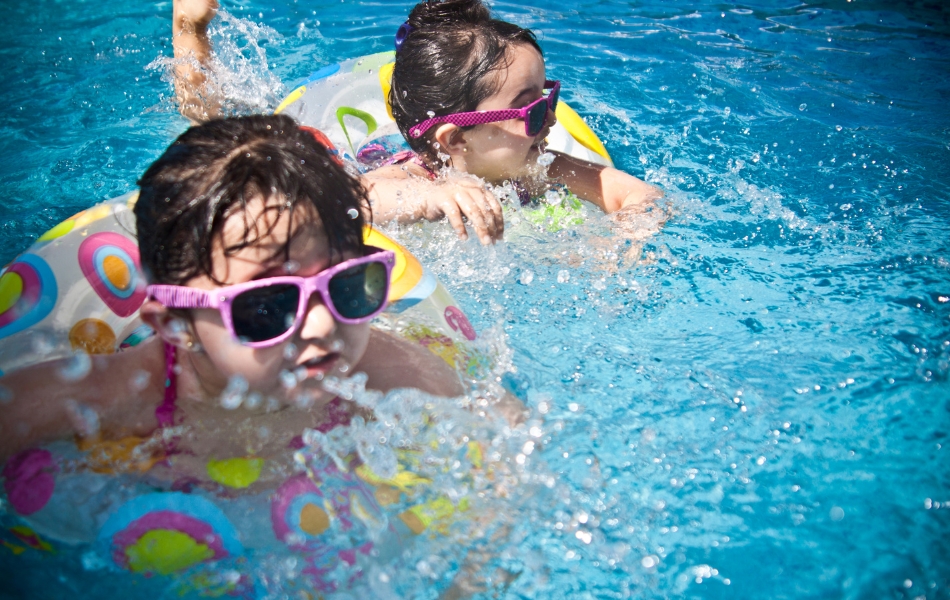
As parents, we’re constantly seeking ways to provide our children with the tools they need to thrive—physically, emotionally, and socially. Among the wide range of extracurricular activities available, swimming lessons stand out as one of the most comprehensive and beneficial experiences a child can have. More than just a way to stay active or a precautionary measure for water safety, swimming is a foundational life skill that fosters growth in many dimensions of a child's development.
Enrolling your child in swimming lessons is an investment that yields lifelong returns. From enhanced physical health to improved self-esteem and mental resilience, swimming lessons equip children with a unique set of strengths that influence every stage of their life.
Physical Health: Building Strength and Endurance Early On
Swimming is one of the most effective full-body workouts. It engages nearly every muscle group and promotes cardiovascular fitness, flexibility, and endurance. For growing children, the benefits are even more pronounced.
1. Total Body Development
Unlike many sports that focus on specific muscle groups, swimming develops strength evenly across the body. It enhances posture, balance, and coordination—crucial for a child’s overall physical development.
2. Low Impact, High Benefit
The buoyancy of water reduces the impact on joints, making swimming a safe and sustainable activity for young bodies. It allows kids to develop muscle strength and aerobic capacity without the risk of common sports injuries.
3. Healthy Lifestyle Habits
Children who start swimming at a young age are more likely to stay active throughout their lives. Early exposure to fun, structured physical activity sets the foundation for long-term healthy habits.
Water Safety: A Life-Saving Skill
Drowning is a leading cause of accidental death in children worldwide. Swimming lessons dramatically reduce that risk.
1. Water Familiarity and Confidence
Structured lessons teach children to respect the water, not fear it. They learn to stay calm, float, and move efficiently—skills that can prevent panic and save lives in emergencies.
2. Essential Techniques
Swimming lessons include essential safety techniques such as treading water, safe entry and exit, and survival floating. These skills become second nature over time, providing peace of mind for both children and parents.
Emotional Growth: Confidence in Every Stroke
One of the most profound benefits of swimming lessons is the confidence they instill in children. Mastering a new skill in a challenging environment like water fosters self-assurance and emotional resilience.
1. Overcoming Fears
Many children experience initial fear or hesitation around water. By gradually overcoming these fears in a structured setting, they learn that fear can be managed and overcome—a lesson they carry into other areas of life.
2. Achieving Milestones
Whether it’s swimming across the pool unaided or learning a new stroke, each achievement builds a child’s confidence. Progress is visible and rewarding, reinforcing a sense of capability.
3. Boosting Self-Esteem
Swimming helps children see themselves as strong, capable individuals. This self-image, formed through effort and success, boosts self-esteem and influences how they approach challenges beyond the pool.
Mental Development: Focus, Discipline, and Patience
Swimming is as much a mental activity as it is physical. It requires concentration, rhythm, timing, and control—qualities that enhance a child’s cognitive abilities.
1. Focus and Attention
In swim classes, children must follow instructions carefully, time their breathing, and coordinate their movements. This level of focus can improve their attention span and ability to concentrate in academic settings.
2. Discipline and Routine
Progress in swimming comes through repetition and regular practice. Children learn the value of showing up, listening, and pushing through discomfort. These habits translate into better discipline in school and daily life.
3. Patience and Persistence
Swimming doesn’t come easily to everyone. Children often struggle before mastering skills. This teaches them the value of persistence and the understanding that growth takes time and effort.
Social Skills: Learning to Swim, Learning to Connect
Group swimming lessons are a great environment for children to interact with peers, build friendships, and develop key social skills.
1. Teamwork and Support
While swimming is mostly an individual activity, lessons often include group drills, relay races, and games that require cooperation and encouragement. Children learn to cheer each other on and celebrate collective achievements.
2. Communication Skills
Kids learn to listen to instructors, ask questions, and express concerns. These interactions help them develop clear communication and respect for authority figures.
3. Handling Competition Positively
In more advanced classes, children may participate in friendly competitions. Learning to compete fairly, handle losses gracefully, and celebrate others’ victories helps build emotional maturity.
Long-Term Benefits: Preparing Kids for Life
The skills gained through swimming lessons extend well beyond childhood. As kids grow into teenagers and adults, the lessons learned in the pool continue to influence their mindset and behavior.
1. Resilience in Life’s Challenges
A child who has struggled to learn to swim and finally succeeded knows what it feels like to overcome difficulty. This emotional resilience is invaluable in facing academic, social, and personal challenges later in life.
2. Leadership and Independence
As children advance in their swimming abilities, they often become role models for younger swimmers. This fosters leadership qualities, responsibility, and a sense of pride in helping others.
3. A Lifelong Skill
Swimming remains a valuable, practical skill well into adulthood. Whether it’s for recreation, health, or safety, swimming opens doors to opportunities and experiences that last a lifetime.
Why Start Early?
The earlier children start swimming, the more natural it becomes. Young kids are generally more adaptable and can develop comfort with water faster. Early introduction also helps integrate physical activity into their routine from the start, forming positive habits before sedentary lifestyles take root.
Choosing the Right Swimming Program
For your child to get the most out of their swimming experience, it’s important to choose a quality program. Look for:
Certified and experienced instructors who are trained in child development and water safety
A low student-to-instructor ratio to ensure individual attention
A curriculum that balances skill development, fun, and safety
A facility with a positive, supportive environment that makes kids feel comfortable and motivated
Final Thoughts
Enrolling your child in swimming lessons is a decision that goes far beyond teaching them to float or swim laps. It’s about setting them on a path toward physical health, emotional strength, mental discipline, and social confidence.
From their very first splash to mastering advanced strokes, swimming offers a unique, holistic development experience. And as children dive into the water, they’re also diving into growth—gaining skills and strengths that will carry them through every stage of life.
Infinity Fitness Club offers expert swimming classes for kids in Ajman, designed to nurture skill, confidence, and resilience. Enroll today to give your child the lifelong benefits that start with a simple splash.