
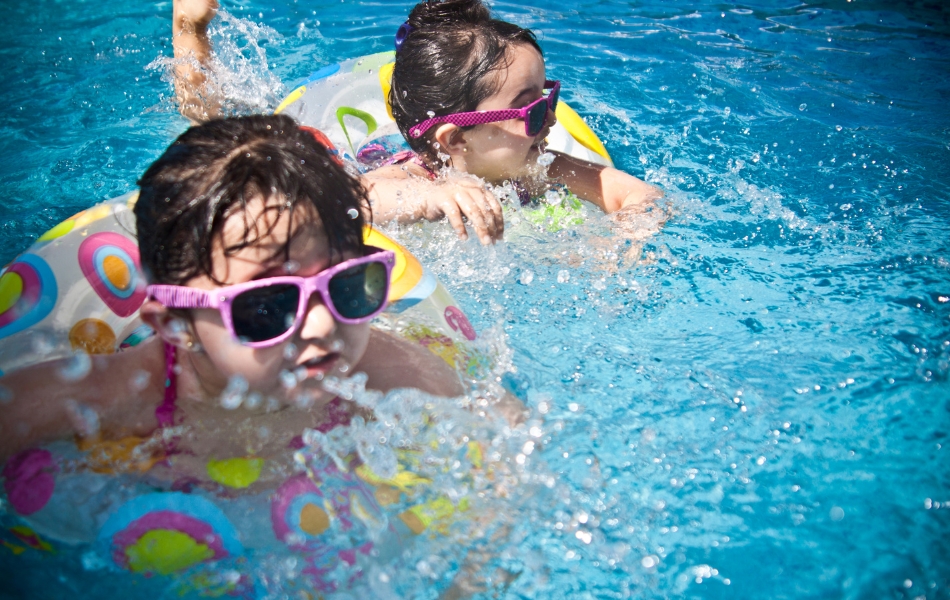
Swimming is one of the most valuable life skills a child can learn. It builds physical strength, teaches water safety, and boosts confidence — all while being fun. But not all swimming classes are the same, and choosing the right one for your child can make all the difference in their progress, comfort, and enjoyment.
With so many options available — from large group lessons to private instruction — it’s important to know what to look for in a swim program. Whether your child is just beginning their journey in the water or you're considering switching to a new class, this guide will help you make an informed, confident decision.
1. Understand Your Child’s Needs and Readiness
Before exploring class options, take time to assess your child’s personality, comfort level in the water, and developmental stage. Some kids are naturally adventurous and eager to dive in, while others may be hesitant or fearful.
Ask yourself:
Has my child had any prior exposure to water?
Do they experience fear or anxiety in or around pools?
How well do they follow instructions in group settings?
Are they more comfortable in smaller, quieter environments?
Knowing where your child stands emotionally and physically will help you select the class format and instructor style that’s best suited for their needs.
2. Choose the Right Class Type
Swim lessons typically fall into three main categories:
Group Lessons
These are often the most budget-friendly and common. Children learn in small groups, usually grouped by age and ability.
Pros:
Social interaction with peers
Encourages teamwork and patience
Motivating to see others learn alongside them
Cons:
Less individual attention
May progress slower if your child needs extra help
Semi-Private Lessons
These involve 2–3 children per instructor, offering more focused attention than group classes.
Pros:
Personalized instruction while still offering some social interaction
Ideal for children with mild anxiety or specific learning needs
Cons:
Typically more expensive than group classes
May not be available at all facilities
Private Lessons
One-on-one sessions tailored entirely to the child’s pace and skill level.
Pros:
Fully personalized instruction
Ideal for children with high anxiety, special needs, or faster learning goals
Cons:
Highest cost
Less opportunity for social interaction
3. Check Instructor Qualifications and Teaching Style
An instructor can make or break your child’s swim experience. Look for the following when evaluating swim teachers:
Certifications: Ensure the instructor is certified in CPR, First Aid, and water safety by a recognized body (such as the American Red Cross, YMCA, or equivalent).
Experience with Children: Teaching kids to swim requires a unique mix of patience, enthusiasm, and communication skills.
Specialization: Some instructors are trained to work with nervous swimmers or children with special needs. Don’t hesitate to ask.
Pro tip: Observe a class in person before enrolling. This gives insight into how instructors interact with students and manage the group.
4. Evaluate Class Size and Student-to-Instructor Ratio
The student-to-instructor ratio can significantly impact the quality of instruction and supervision. Smaller ratios allow for more personalized attention and greater safety, especially for beginners.
Recommended ratios:
Ages 1–3: 1 instructor per 1–3 students
Ages 4–6: 1 instructor per 4–6 students
Ages 7+: 1 instructor per 6–8 students
If the pool is crowded or the instructor seems overwhelmed, it may not be the best environment for focused learning or safety.
5. Consider the Facility and Safety Measures
The swim facility itself matters just as much as the class content. Visit the location and assess:
Cleanliness and maintenance of the pool area
Water temperature: Ideally between 82°F–86°F for children
Visibility and safety: Lifeguards on duty, clear signage, and safety protocols
Changing areas and restrooms: Clean, accessible, and family-friendly
Additionally, ask about safety policies such as emergency procedures, COVID-19 hygiene protocols (if applicable), and child check-in/out systems.
6. Look for a Progressive Curriculum
A well-designed swim program should have a clear curriculum with defined goals, skill levels, and progress tracking. You want a program that builds from water comfort to safety techniques and swim strokes in a logical and supportive way.
Ask the program director:
What skills will my child learn at each level?
How do you determine when a child is ready to move up?
Will I receive regular updates or progress reports?
Having a structured learning path ensures your child is constantly developing skills without feeling overwhelmed.
7. Trial Lessons and Flexibility
Many swim schools offer trial classes or short introductory sessions. These are a great way to see how your child responds to the environment, the instructor, and the water.
Also, check the school’s flexibility on scheduling, make-up classes, or cancellations. Children’s schedules (and moods) can be unpredictable, so a little flexibility can go a long way in maintaining consistency.
8. Addressing Special Needs and Anxieties
If your child has special needs or anxiety about water, look for programs or instructors with experience in adaptive aquatics. These classes are designed to accommodate different learning styles and emotional needs while still teaching fundamental swim skills.
Some facilities even offer parent-and-child classes, which are especially helpful for very young children or those who need reassurance in the water.
9. Cost vs. Value
While budget is always a consideration, don’t base your decision solely on price. A lower-cost program may not provide the same quality of instruction, safety, or attention as a slightly more expensive one.
Look at the value: Are instructors experienced? Is the curriculum structured? Are class sizes small? A higher-quality program will usually pay off with better results and a more enjoyable experience.
10. A Swim Program That Supports Your Family’s Goals
Ultimately, the right swimming class should align with your goals for your child — whether that’s basic water safety, building confidence, or preparing for competitive swimming.
Infinity Fitness Club, for instance, offers a variety of child-focused swimming programs designed to meet families where they are. With certified instructors, low student-to-teacher ratios, and a progression-based curriculum, Infinity Fitness Club helps children thrive in a safe, positive aquatic environment. Whether your child is a first-timer or already comfortable in the water, there's a class designed to help them grow.
Final Thoughts
Choosing the right swimming class is a critical step in helping your child develop a skill that can benefit them for a lifetime. By considering their personality, comfort level, learning style, and your family’s goals, you can select a program that makes swimming not just a lesson — but a joyful experience.
Take your time to research, visit programs, and talk to instructors. And most importantly, stay involved and encouraging throughout the process. With the right support, your child will not only learn to swim — they’ll learn to love the water.