
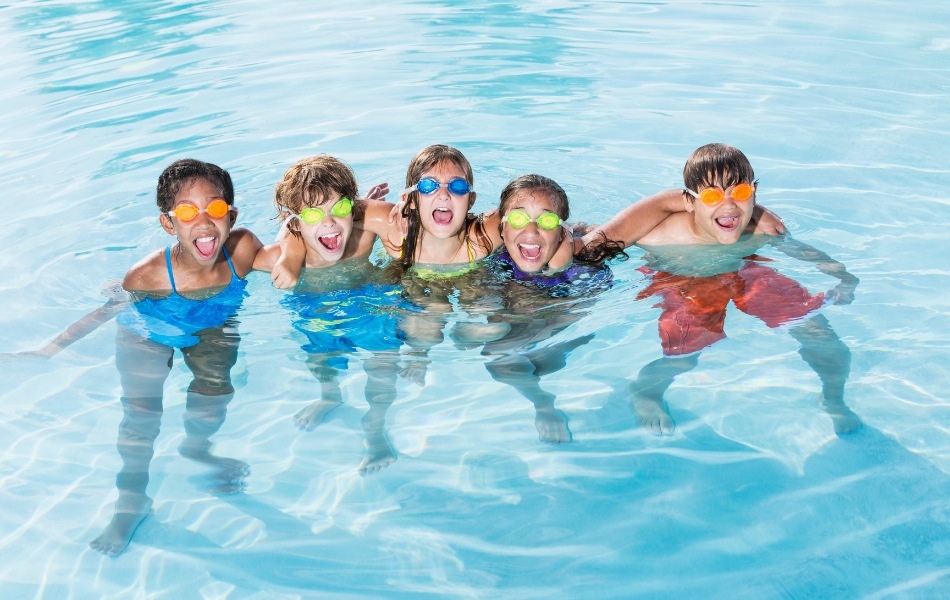
Swimming is not just a recreational skill—it’s a lifelong journey that contributes to a child’s physical health, mental well-being, and personal development. From the first splash to competitive strokes, the right swimming program evolves alongside your child, offering age-appropriate instruction, support, and challenges.
Choosing a program that grows with your child ensures consistency, confidence, and skill mastery. In this article, we’ll explore how structured swimming programs are designed to guide children from beginners to advanced swimmers, with each stage building upon the last.
1. The Foundation: Parent-Child and Water Familiarization Classes (Ages 6 Months to 3 Years)
The swimming journey often begins in infancy with parent-child classes. At this stage, the focus is on water familiarization, bonding, and building comfort in the pool environment.
Goals of this stage:
Introduce children to water in a fun, low-pressure setting
Develop basic motor skills through splashing, kicking, and floating
Build water safety awareness for both child and parent
Establish positive associations with swimming
Instructors use games, songs, and playful routines to ease young children into the water, always with a caregiver present. While formal stroke instruction isn’t the goal here, the foundation for confidence and comfort is critical for future progression.
2. Preschool Swim Classes (Ages 3 to 5 Years)
As children grow more independent, preschool swim classes shift the focus to basic water skills while continuing to emphasize safety and enjoyment.
Skills taught at this level:
Independent floating (front and back)
Basic kicking and arm movements
Breath control and submersion
Entering and exiting the pool safely
Classes are typically small to allow individual attention. The key here is repetition and routine. Through consistent practice, children develop body awareness in water and build the confidence to attempt short swims independently.
This stage introduces fundamental swim skills in a fun, encouraging environment, setting the stage for future stroke development.
3. Learn-to-Swim / Beginner Classes (Ages 5 Years and Up)
This level is ideal for school-age children with little or no swim experience. The goal is to transition from assisted to independent swimming with a strong emphasis on technique and safety.
Key skills developed:
Front crawl (freestyle) and backstroke basics
Kicking drills with kickboards
Breath control and rhythmic breathing
Floating, treading water, and changing direction in the water
At this stage, children learn to swim short distances on their own and begin understanding stroke mechanics. Confidence becomes a major factor. Positive reinforcement and gradual challenges help children overcome fear and grow a love for swimming.
Most programs offer regular assessments or swim tests to measure readiness for the next level.
4. Intermediate Swim Training (Ages 7+)
Once children can swim unassisted and show basic stroke competence, they enter intermediate levels focused on refining technique and building endurance.
Program goals include:
Improving stroke technique (freestyle, backstroke, breaststroke)
Introducing butterfly and more advanced drills
Building stamina with longer lap swimming
Learning turns, gliding, and streamline positions
Intermediate swimmers begin training with more purpose and structure. Sessions may last longer and include drills that isolate specific components of a stroke. Children are introduced to swimming as both a fitness activity and a sport.
Some programs offer pre-competitive training or intrasquad meets at this stage, which helps kids experience goal-setting and healthy competition.
5. Advanced and Competitive Training (Ages 9+)
Advanced programs are designed for children who have mastered all four competitive strokes and are ready for rigorous training, either recreationally or competitively.
Focus areas:
Stroke perfection and race techniques
Starts, turns, and finishes
Pace training, time tracking, and distance sets
Dryland conditioning and nutrition awareness
Mental focus, goal-setting, and sportsmanship
At this level, swimmers are introduced to swim teams or advanced squads. Training is structured and progressive, often with multiple sessions per week. Athletes may begin participating in local or regional competitions.
Importantly, this stage fosters discipline, time management, and resilience—skills that benefit children far beyond the pool.
6. Lifelong Benefits and Progression Options
Swimming is a sport with no finish line. Even after mastering strokes, kids can stay engaged through:
Lifeguard training and certification
Junior coaching or mentoring younger swimmers
Water polo, synchronized swimming, or open water swimming
Continued fitness and recreational swimming into adulthood
Programs that grow with your child also nurture a lifelong connection to water, health, and well-being.
How to Choose the Right Long-Term Program
To support a smooth and consistent journey through these stages, it’s important to find a swim school or facility that offers structured programs with clear progression. Here’s what to look for:
Age- and skill-appropriate class levels
Certified and experienced swim instructors
Consistent assessment and feedback
Flexible scheduling and options to progress
Safe, clean, and child-friendly facilities
Also, consider your child’s personality and goals. Are they competitive or recreational? Nervous or adventurous? The right program will adapt to their needs while encouraging steady growth.
Why Consistency Matters
Swimming, like any skill, thrives on consistency. Staying with the same program or facility over time provides several advantages:
Instructors become familiar with your child’s learning style
Progress is tracked accurately across levels
Children build trust with coaches and peers
A sense of community and belonging forms around the swim culture
Consistency builds confidence. Children who swim regularly and progress through a program at their own pace tend to develop a stronger skill set and a deeper appreciation for the sport.
Conclusion
Swimming is more than just a sport—it’s a journey that can last a lifetime. From their first splash to advanced training, children benefit most from programs that adapt to their growth, skills, and interests. A well-structured swim program provides a clear pathway for your child to develop safely, confidently, and continuously.
Whether your child is just starting out or eyeing competitive swimming, choosing a program that evolves with them ensures that every stage is meaningful, engaging, and effective.
At Infinity Fitness Club Gym in Ajman, we understand the importance of progression in swimming. Our programs are designed to grow with your child—from beginners learning the basics to advanced swimmers training for excellence. With certified instructors, high-quality facilities, and a child-focused approach, we help kids build lifelong skills, one stroke at a time.